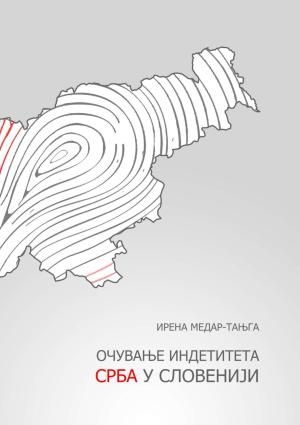
Preserving the identity of Serbs in Slovenia
Keywords:
Serbs, Slovenia, Identity, PreservationSynopsis
The scientific monograph presents a systematic study of the mechanisms for preserving the ethnic identity of the Serbian community in Slovenia following the country’s independence. It provides a comprehensive overview of the key factors influencing the preservation of cultural heritage and tradition, including legal status, the role of national associations, the church, and traditional family life. The position of Serbs as a “new ethnic minority” is highlighted, providing individual rights but lacking collective protection, unlike the autochthonous minorities such as Italians and Hungarians. The study emphasizes the importance of active community participation in maintaining language, customs, and education as prerequisites for the survival and identity of the ethnic group.
The monograph adopts a multidisciplinary approach, examining the legal, sociocultural, and demographic aspects of Serbian life in Slovenia. It analyzes the role of interstate cooperation between Serbia, Bosnia and Herzegovina, and Slovenia in supporting the community, and highlights the importance of local institutions and church structures in preserving cultural heritage. Furthermore, it examines how national associations and unions contribute to maintaining identity and strengthening cultural awareness.
Based on the research results, the monograph proposes a model that could provide a more favorable position for the Serbian community in Slovenia and positively influence the improvement of minority rights and bilateral relations. Special attention is given to strengthening educational and cultural mechanisms that enable the preservation of tradition, language, and cultural identity. The work represents a significant contribution to the study of minority communities, cultural heritage, and identity, offering a scientific foundation for further research and practical application in policy development for the preservation of ethnic identity.