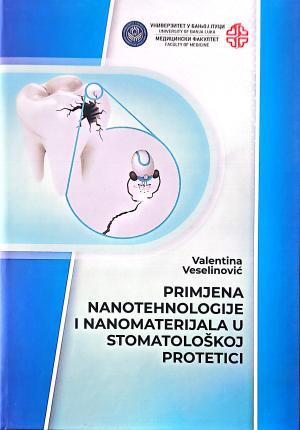
Application of nanotechnology and nanomaterials in prosthetic dentistry
Keywords:
Nanoparticles, Nanotechnology, Nanomaterials, Prosthetic dentistry, Gradive materialsSynopsis
Nanotechnology, a scientific field characterized by exceptional potential and rapid development, is bringing revolutionary changes to contemporary dental practice, as demonstrated by the findings of numerous studies conducted to date. It is transforming conventional approaches and opening new possibilities in diagnostics, treatment modalities, and the development of dental materials. The development of modern dental materials is based on the biomimetic concept, which involves mimicking nature through the synthesis of materials whose properties closely resemble those of the human tissues they are intended to replace. Due to their specific functional roles and the complex conditions of the oral environment, in which they are expected to remain functional for many years, dental restorative materials must exhibit appropriate mechanical, biological, and aesthetic properties, along with a high degree of biocompatibility. Nanotechnology has fundamentally transformed the interactions and behavior of dental materials within the oral environment by enabling the development of materials with enhanced mechanical properties, long-lasting aesthetic performance, and improved durability under the challenging conditions of the oral cavity. The oral cavity represents a unique biological environment inhabited by numerous microorganisms organized into complex biofilm communities that colonize both natural oral structures and restorations fabricated from dental materials. In recent years, the World Health Organization (WHO) has increasingly emphasized the global challenge of antimicrobial resistance, identifying it as one of the most significant threats facing modern society. Consequently, particular attention in the development of dental restorative materials has been directed toward enhancing their antimicrobial properties and exploring unconventional therapeutic strategies for the prevention and treatment of infections. Nanostructured materials are produced through nanotechnological processes involving the manipulation of matter at the atomic or molecular level. The ability to manipulate matter at the nanoscale, which lies at the core of nanoscience, provides researchers with an exceptionally powerful tool and has attracted unprecedented scientific and technological interest across numerous fields of science and engineering. Through a systematic review of the relevant scientific literature, this monograph summarizes and critically analyzes current advances and rapidly evolving areas of nanotechnology and nanomaterials in the field of prosthodontics, one of the major disciplines of contemporary dentistry.
Downloads
Downloads
Published
Categories
License

This work is licensed under a Creative Commons Attribution-NonCommercial-NoDerivatives 4.0 International License.