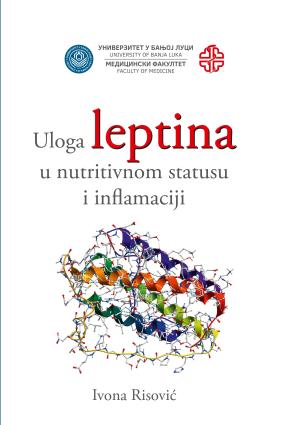
The role of leptin in nutritional status and inflammation
Keywords:
Leptin, Inflammation, Nutritional statusSynopsis
Leptin is a protein hormone with a molecular weight of 16 kDa. The primary site of leptin synthesis is the adipocytes of subcutaneous white adipose tissue. Leptin is produced in proportion to adipocyte mass; therefore, its levels increase in obesity and decrease in cases of malnutrition. It exerts its biological effects through leptin receptors, which belong to the cytokine receptor family.
The primary role of leptin is to regulate food intake and energy expenditure by signaling the hypothalamus to suppress appetite and increase energy consumption. However, leptin also conveys information about the body's energy status to other physiological systems, including the immune system. It influences both innate and adaptive immunity. Because serum leptin concentrations vary according to nutritional status, this molecule plays a dual role in the regulation of metabolism and the modulation of immune responses.
Hypoleptinemia associated with malnutrition is linked to immunosuppression and an increased risk of infections, whereas hyperleptinemia in obesity is associated with chronic low-grade inflammation, which contributes to the development of chronic and autoimmune diseases.
Current and future research is focused on further elucidating the physiology of leptin and exploring its potential application as a therapeutic agent.