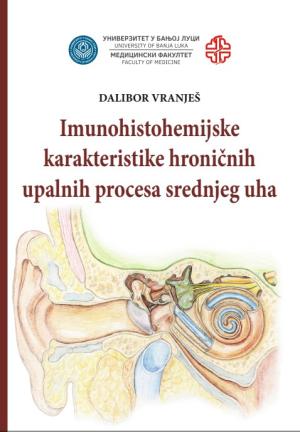
Immunohistochemical characteristics of chronic inflammatory processes of the middle ear
Keywords:
Inflammatory mediators, Middle ear, Chronic inflammationSynopsis
Despite modern diagnostic procedures and innovative therapeutic modalities, chronic otitis media remains an important health problem with a high prevalence globally. The role of inflammatory mediators in the pathogenesis of this disease is still not fully understood and remains the subject of numerous scientific studies. Complex cellular and biochemical processes significantly influence the maintenance, progression and outcome of the inflammatory process. Due to the complex anatomy of the middle ear, the surgical approach is personalized, with constant assessment of the risk of postoperative consequences, which vary from functional deficits to life-threatening intracranial complications. The use of antibiotic therapy in the treatment of this disease can be significantly limited by frequent recurrences of infection, progressive and destructive pathomorphological changes and increasing antimicrobial resistance. These problems indicate the need to develop alternative therapeutic strategies that target inflammatory mechanisms and associated signaling pathways, instead of exclusively focusing on the eradication of the pathogenic agent. A better understanding of the diverse effects of inflammatory mediators in complex intracellular mechanisms may provide a significant contribution to considering the introduction of innovative therapeutic protocols in patients with chronic otitis media. Future clinical research should integrate new therapeutic approaches with advanced diagnostic methods to develop more effective and individualized treatments for patients with chronic otitis media. A multidisciplinary approach that integrates immunology, microbiology, and bioengineering has the potential to transform the management of this disease, from symptomatic relief to precisely targeted therapies that address the underlying mechanisms of inflammatory and immune dysregulation responsible for the progression of chronic otitis media.
Downloads